What you'll learn:
- The 3 natural shapes of your horse’s back—and why they matter
- How to tell if your horse is level, round, or hollow
- The physical and mental impact of each back shape on your horse
- Why rider tension often creates hollow frames (and how to fix it)
- Practical ways to help your horse lift and strengthen their back
- The link between a calm mind, balanced body, and confident ride
Every rider - whether you're a beginner or returning after time away - needs to pay attention to an often-overlooked area of the horse's body: the shape of their back.
This post focuses on the 3 natural back shapes horses can show:
- Level – Neutral, straight back
- Round – Lifted or convex back
- Hollow – Dropped or concave back
Each of these shapes affects not just your horse's movement and comfort, but also their psychological state and your ability to ride with confidence.
Level & Round Backs: The Ideal Shapes for Riding
When a horse's posture is level or rounded, it means:
- The hindquarters are engaged, stepping well underneath the body
- The back is lifted, not dropped
- The head and neck are free to balance the movement
- Transitions are smooth and gaits are fluid
- The horse can collect, extend, and jump with ease
- The ride feels balanced, elegant, and connected
Visual Cues of a Balanced Horse's Posture:
- Back and neck in line at the walk
- Diagonal footfalls in trot with strong hind-end engagement
- Lifted back and forward impulsion at the canter
These shapes allow your horse to carry you with strength and confidence.
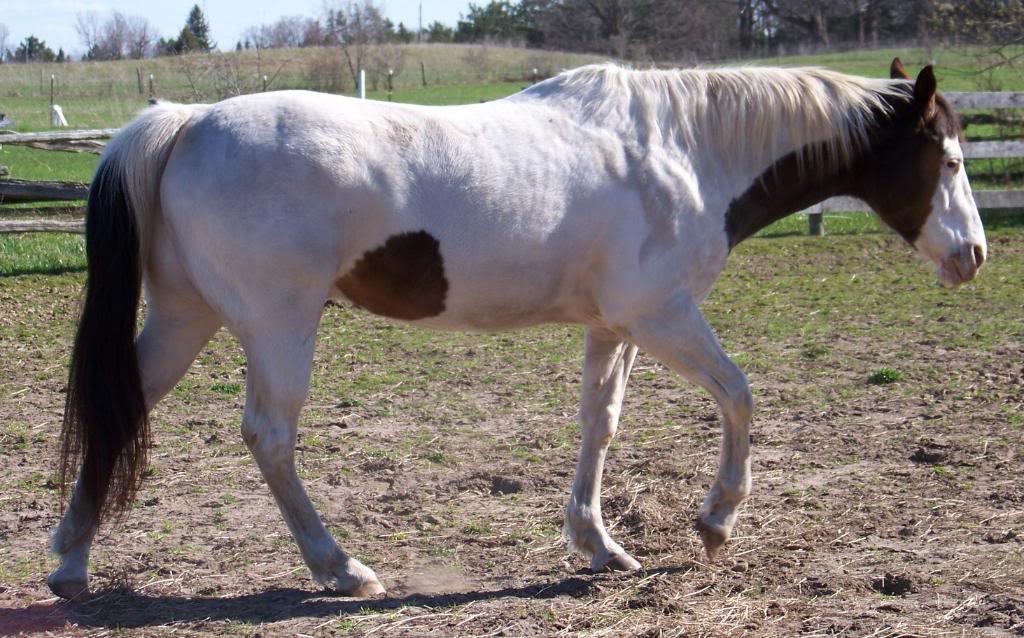
Level Back and Neck at Walk
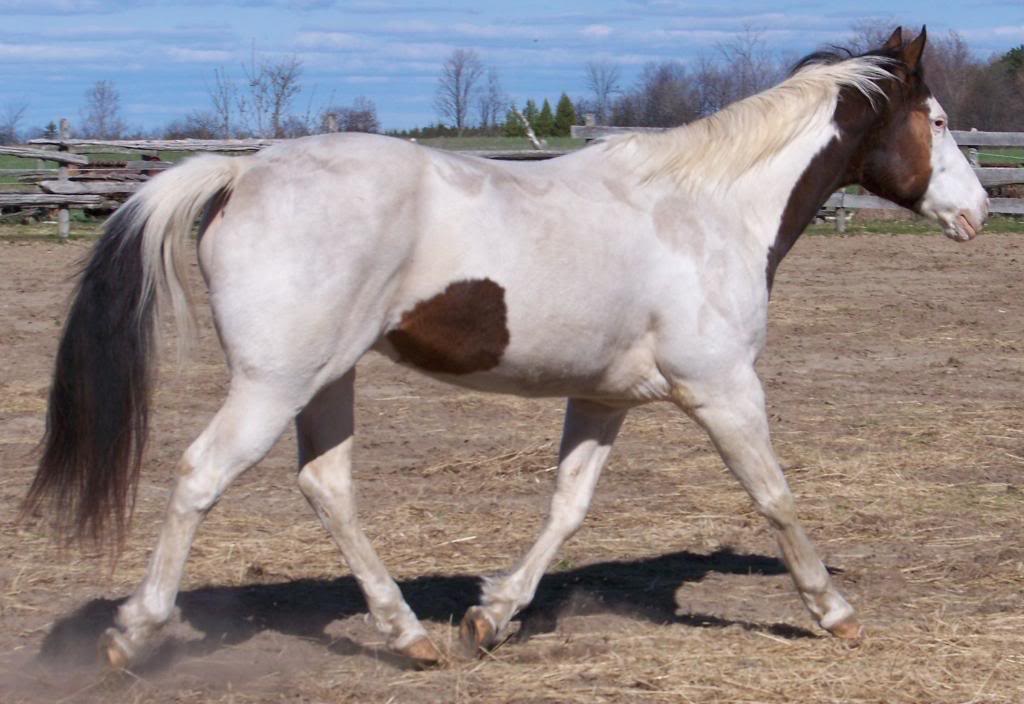
Level Back at Trot.
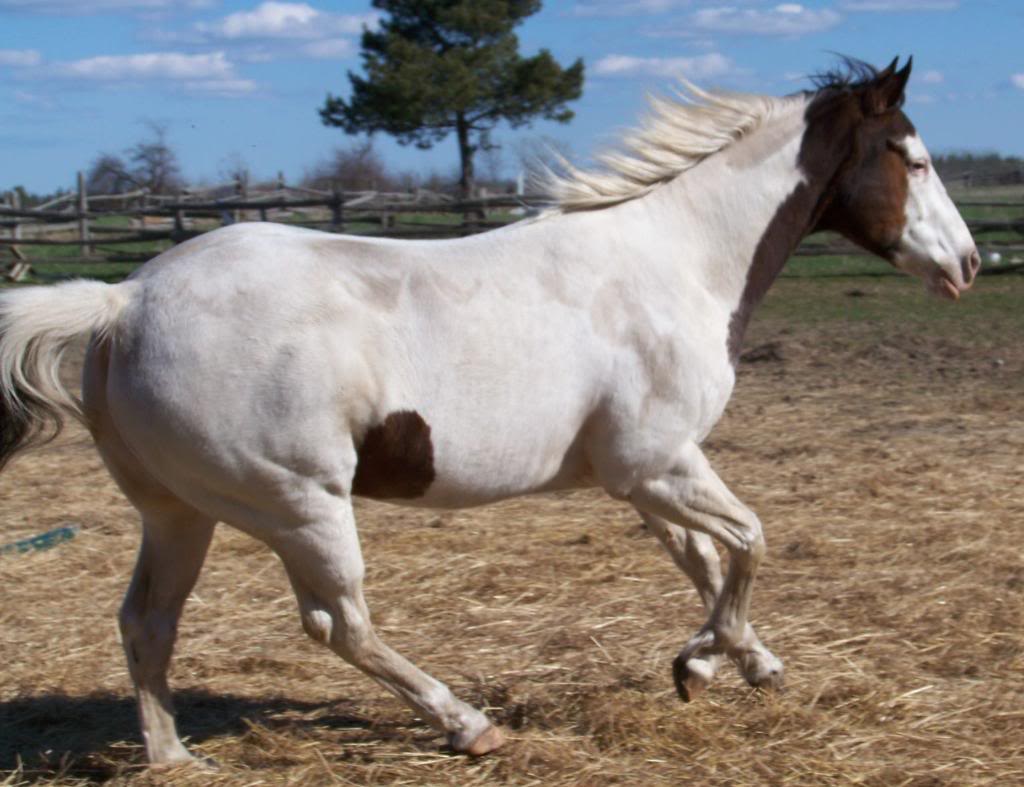
Lifted Back at Canter.
Hollow Backs: Why They Cause Problems
Sadly, many horses are worked in a hollow-backed frame, often without the rider realising. In this horse's posture:
- The hind legs trail behind, not reaching under
- The back drops, becoming concave
- The neck is braced and the front end pulls the horse forward
- Movements become jarring, unbalanced, and uncomfortable
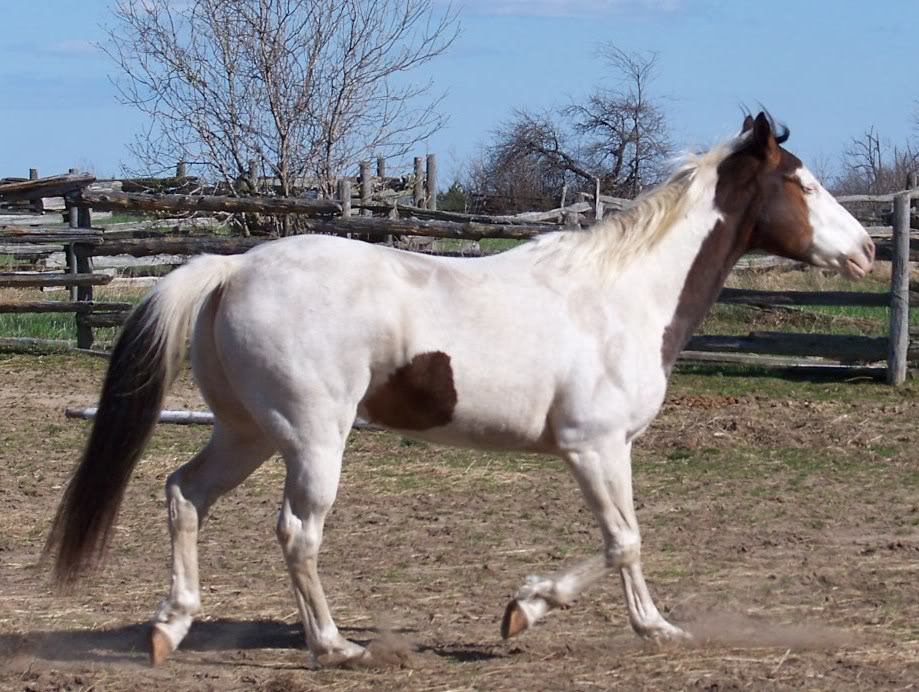
This horse's posture is Hollow Back. Notice the shortened reach of both the front and hind legs.
Consequences of a Hollow Back
- Physically stressed muscles and joints
- Mentally stressed horse—often in flight mode
- Shortened, choppy strides
- Difficult transitions and poor collection
- Tendency to spook or bolt
🚫 Riders may experience:
- A bouncy, awkward ride
- Inability to slow or collect the horse
- Struggling to maintain posture and balance
- Greater physical and mental tension
Nervous Riders Often Create Hollow Backs (Without Realising)
If you’re a nervous rider, your tension can unintentionally create tension in your horse's posture:
- A tight seat and braced hands lead to a dropped back
- The horse reacts by mirroring your tension, going hollow and anxious
- The more reactive the horse becomes, the more stressed the rider feels
This creates a vicious cycle: stress creates hollowness, which increases stress in both horse and rider.
Even riders with good posture will struggle to maintain balance and suppleness on a hollow-backed horse.
How To Fix It: Back to Basics
If you find yourself stuck in this cycle, it’s time to step back and rebuild your horse's posture from the ground up - with help.
🔍 Look for a trainer or coach who:
- Understands rider psychology and nervousness
- Uses science-based groundwork to build balance and posture
- Can improve your horse’s shape without gadgets or forced headsets
- Focuses on calmness, true bend, and softness—on the ground and under saddle
When the horse's posture develops into a level or round shape consistently, you’ll notice:
- Greater calmness and responsiveness
- Fewer spooks or unpredictable behaviours
- A more enjoyable, confidence-boosting ride

Confident horse and rider
Working towards a balanced back is not just about better movement - it's about a better partnership.
When your horse feels safe, balanced, and relaxed, you will too.
Frequently Asked Questions
The ideal shape is level or slightly rounded, with the horse’s back lifted and the hindquarters engaged. This allows balanced, fluid movement and reduces stress on both horse and rider.
The ideal shape is level or slightly rounded, with the horse’s back lifted and the hindquarters engaged. This allows balanced, fluid movement and reduces stress on both horse and rider.
Not always. Horses naturally hollow their backs for brief moments - such as while spooking or stretching. But being ridden in a hollow frame consistently is harmful and uncomfortable.
Yes. Nervous riders often grip tightly with their legs or brace with their hands. This causes the horse to tense, drop their back, and become reactive.
Start with correct groundwork that promotes relaxation and engagement. Avoid gadgets that force headsets, and work with a coach who understands both horse biomechanics and rider mindset.
